Explore our informative deep-dives regarding technology literacy, digital development, and our campaign roadmap in North West, South Africa.

1. From Orkney to the Digital Frontier: The CTC Origin Story
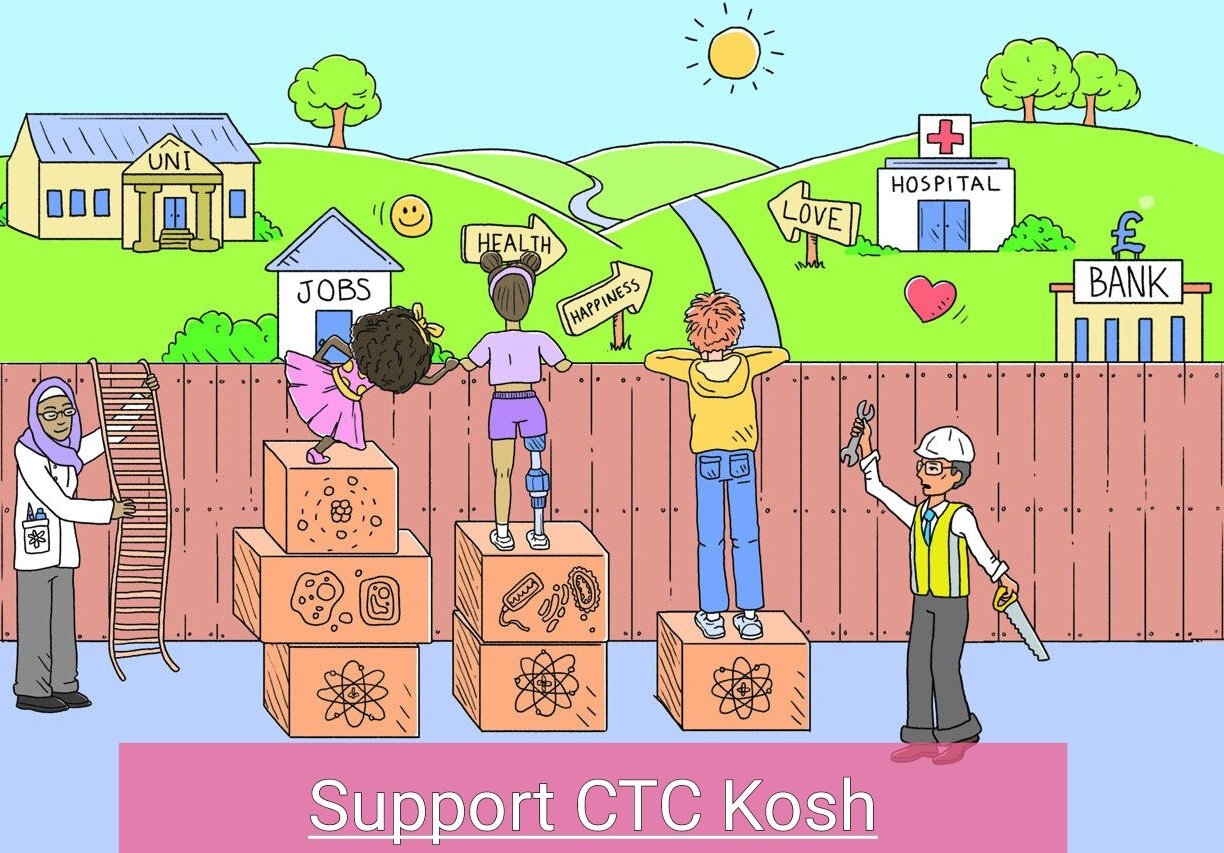
In our local townships, thousands of bright students are excluded from the global tech workforce because they lack access to simple computing hardware and stable internet connections. The Community Tutor Club (CTC) was founded to fill this exact gap.
By launching a dedicated community hub, we offer a safe, structured space where youth can study mathematics and pick up programming fundamentals without financial burden. This center empowers young minds to transform into active builders of software solutions.
2. Coding as a Economic Catalyst: Breaking Generational Poverty
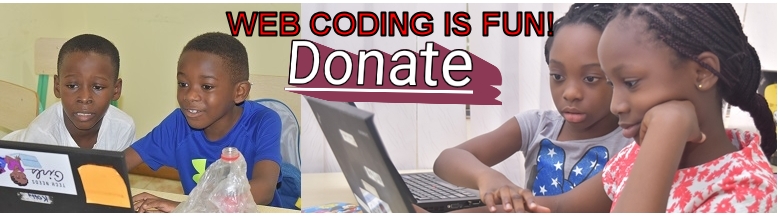
Software engineering is one of the highest leverage fields for global economic mobility. In regions facing high youth unemployment, learning technical languages gives students an unfair advantage in remote work landscapes, local freelance jobs, and specialized tech roles.
Our program bypasses outdated industrial frameworks by jumping straight into real-world application building, data tracking, and frontend system architecture, enabling immediate upward mobility options.
3. The Kasi-PC Social Enterprise Model: Sustainable Social Impact
Many traditional non-profit organizations face structural failure when external grant funding runs dry. We solve this problem permanently through our hybrid enterprise model. Our commercial wing, Kasi-PC Web Development, builds modern, low-cost digital business websites.
The profits generated from these commercial agency contracts directly fund the operational expenses, teaching materials, and internet connectivity of our free tutoring labs. Your donation serves as foundational capital to scale this self-sustaining loop.
4. Infrastructure Breakdown: Tracking the R170k Goal
We maintain strict transparency standards for our fundraising objectives. Achieving our R170,000 target allows us to source specific, long-lasting equipment assets:
- Hardware terminals: Energy-efficient computer systems tailored for coding environments.
- Network routing hardware: High-bandwidth network links to maintain uninterrupted study sessions.
- Stationery & supplies: Necessary equipment such as tables, chairs, cables, generator, paper, pens, printer etc.
5. Nurturing Mathematical Literacy: The Backbone of Computer Science
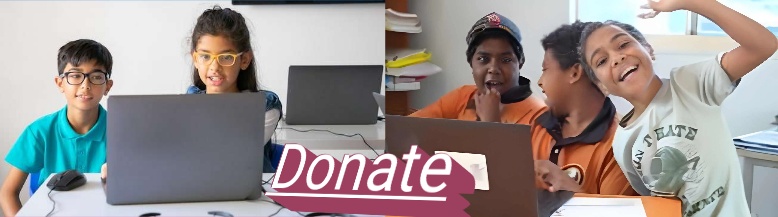
True technical fluency requires an underlying grasp of logical system design and mathematical analysis. Many young minds struggle with advanced mathematical concepts due to crowded local classrooms and limited individual focus.
CTC steps into this gap by breaking down algebra, calculus, and discrete mathematics into intuitive, manageable pieces, ensuring students build the logic skills needed to master complex programming patterns.
6. Overcoming the Digital Divide: From Consumers to Builders
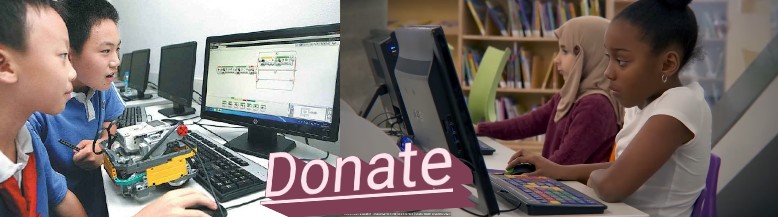
Using a mobile phone to access social apps is vastly different from writing code on a workstation terminal. True digital integration requires moving students away from simple technology consumption and training them to become tech creators.
By providing direct, tactile access to full-sized keyboards, dual screens, and compiler environments, we alter how students interact with computers, setting them up for technical career paths.

7. Building Digital Safety and Data Privacy Competence
As young developers step into global online spaces, understanding cybersecurity is essential. Our security modules cover digital footprints, identity protection, cryptography basics, and ethical coding practices.
This comprehensive training ensures our township students grow into safe, responsible internet citizens who respect privacy regulations while building innovative platforms for the future.